Hunan Yibeinuo New Material Co., Ltd.
สินค้า
อ้าง
สินค้า
เกี่ยวกับเรา
พันธมิตรมืออาชีพและเชื่อถือได้ของคุณ
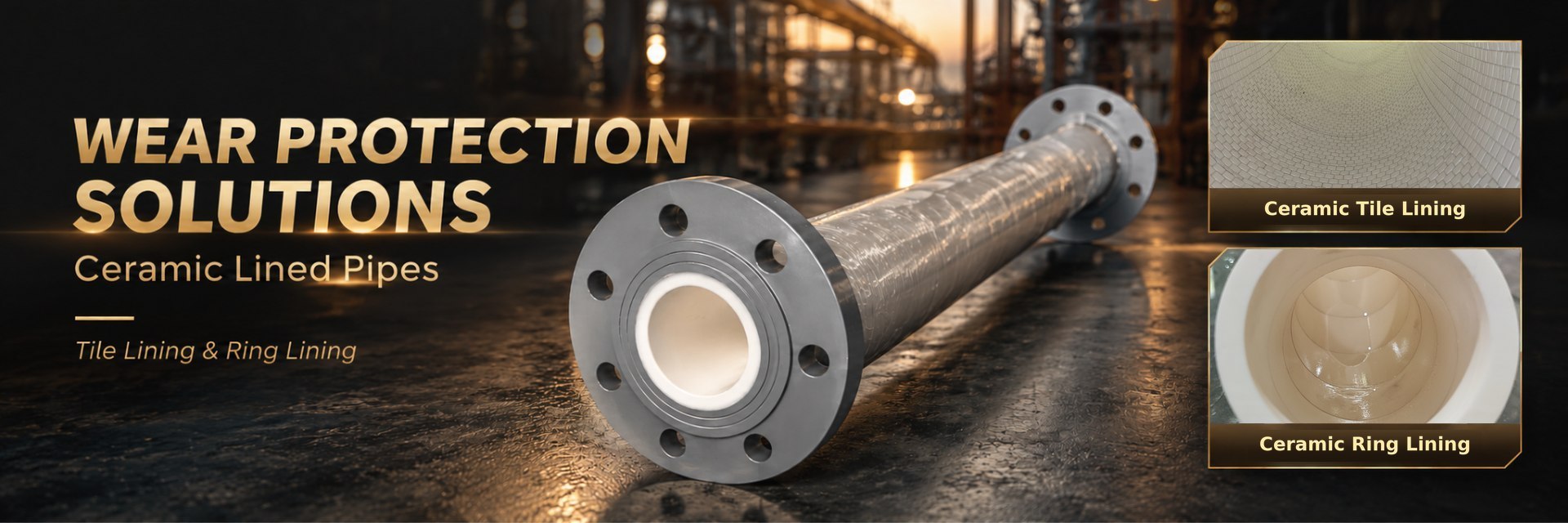
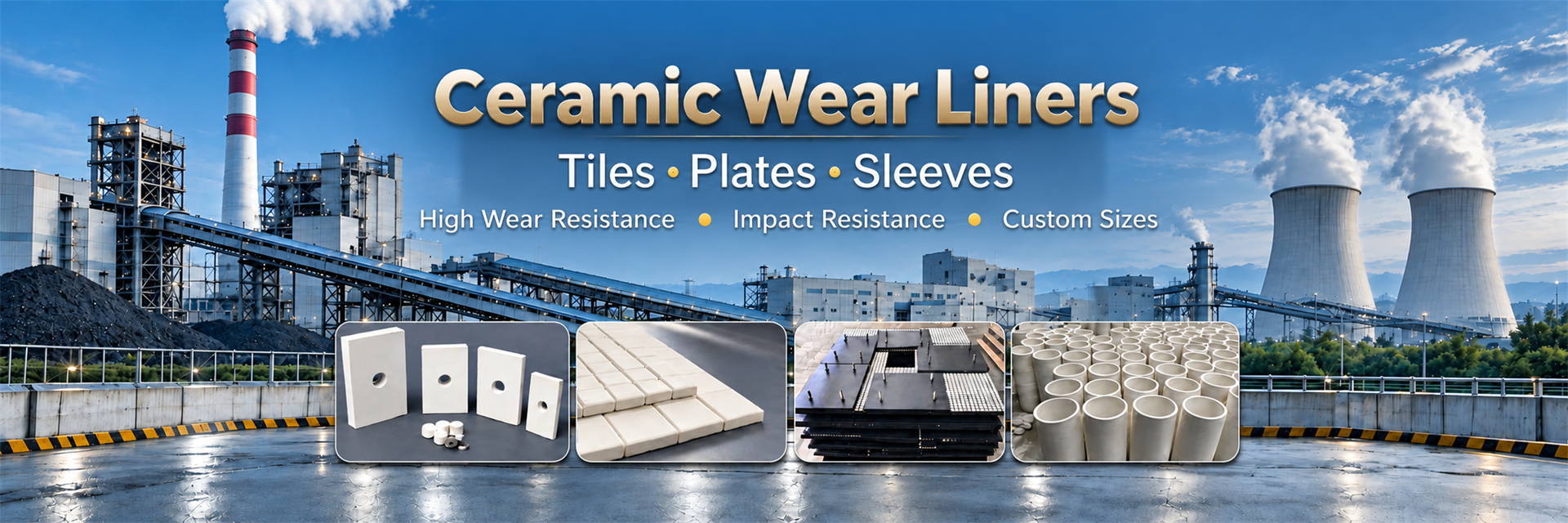
บริษัท หูหนาน อี้เป่ยหนัว นิว แมททีเรียล จำกัด เป็นผู้ผลิตผลิตภัณฑ์เซรามิกทนการสึกหรอและโซลูชันป้องกันการสึกหรอทางอุตสาหกรรมแบบกำหนดเอง ภายใต้แบรนด์ Elacera เรานำเสนอท่อบุเซรามิก แผ่นบุเซรามิกยาง ส่วนประกอบเซรามิกอลูมินา และโซลูชันการสึกหรอแบบกำหนดเองสำหรับอุตสาหกรรมเหมืองแร่ ซีเมนต์ การผลิตไฟฟ้า เหล็กกล้า ท่าเรือ และระบบลำเลียงแบบนิวแมติกเกี่ยวกับเราบริษัท หูหนาน อี้เป่ยหนัว นิว แมททีเรียล จำกัด ก่อตั้งขึ้นในปี 2020 เป็นผู้ผลิตผลิตภัณฑ์เซรามิกทนการสึกหรอและโซลูชันป้องกันการสึกหรอทางอุตสาหกรรมแบ...
เรียนรู้เพิ่มเติม

0

ปีที่ตั้ง

0

ล้าน+
พนักงาน

0

ล้าน+
บริการ ลูกค้า

0

ล้าน+
การขายรายปี
จีน Hunan Yibeinuo New Material Co., Ltd. การควบคุมคุณภาพ
วัตถุดิบ ความหนาแน่นของเซรามิก ขนาด และผลิตภัณฑ์สำเร็จรูปจะถูกตรวจสอบก่อนบรรจุและจัดส่ง
จีน Hunan Yibeinuo New Material Co., Ltd. วิศวกรรมที่กำหนดเอง
ผนังเซรามิกถูกปรับแต่งให้เหมาะสมกับภาพวาด, ขนาดของอุปกรณ์, วัสดุและสภาพการทํางานจริง
จีน Hunan Yibeinuo New Material Co., Ltd. การ ผลิต ที่ น่า เชื่อถือ
กระบวนการผลิตที่มั่นคงและช่างเทคนิคที่มีประสบการณ์ช่วยให้มั่นใจในคุณภาพที่สม่ำเสมอและการส่งมอบตรงเวลา
จีน Hunan Yibeinuo New Material Co., Ltd. บริการตอบสนองรวดเร็ว
ราคาถูกภายใน 12 ชั่วโมง ให้บริการแก้ไขกันการสกัด 24 ชั่วโมงต่อวัน ช่องทางการจัดส่งที่สะดวกสบาย: รถยนต์ รถไฟฟ้า เครื่องบิน การขนส่งทางทะเล เป็นต้น

คุณภาพ ท่อเซรามิกทนการสึกหรอ & ลูกรอกเซรามิกปกคลุมด้วยวัตถุฉนวน ผู้ผลิต

ค้นหาผลิตภัณฑ์ที่ตอบสนองความต้องการของคุณได้ดีขึ้น
กรณีและข่าว
ฮอตสปอตล่าสุด
Large-Diameter Ceramic-Lined Pipe Transition for Cement Raw Meal Conveying in Indonesia
For this Indonesian cement project, the transition was used in a raw meal conveying line. The component had a large inlet, a smaller outlet, and a continuously changing internal profile. That combination made the lining work very differently from a standard straight pipe. Project Background Cement raw meal is fine, but it is still abrasive when it moves continuously through a conveying system. The wear problem becomes more obvious where the pipe diameter or flow direction changes. Inside a transition, the powder does not always stay evenly distributed. Particles may move closer to one side of the pipe or repeatedly contact the tapered surface. Once that happens, a relatively small area can wear much faster than the rest of the fitting. The customer therefore required a wear-resistant lining for the complete internal surface rather than protecting only one local area. The Steel Shape and Ceramic Lining Had to Be Considered Together This was a non-standard component manufactured according to the project drawing. Before ceramic installation, the inlet diameter, outlet diameter, transition profile, and finished internal size had to be checked together. This point is important for a large transition. If the steel shell is manufactured without considering the ceramic thickness, the final bore after lining may become smaller than expected. For powder conveying equipment, this can affect the connection with adjacent pipework and may also change the flow area. For this reason, the lining thickness was considered as part of the finished component rather than as an additional layer added after fabrication. Why Ceramic Tiles Were Used For regular straight pipe sections, ceramic sleeves can be a good solution. This transition had a continuously changing diameter, so ceramic tiles were more practical. The individual alumina ceramic tiles could be adjusted gradually as the circumference changed. The lining was installed section by section, following the actual shape of the steel surface. The goal was not to make every row look the same. What mattered more was maintaining continuous ceramic coverage and keeping the internal surface as smooth as practical through the changing section. Around the tapered area, tile cutting and joint arrangement required more attention than on a straight pipe. This is usually where installation experience becomes important. Paying Attention to the Material Flow Direction For this type of fitting, knowing the flow direction is useful before the ceramic layout is finalized. A transition working as a reducer does not experience the same material movement as the same component working in the opposite direction. The position of the transition in the pipeline also matters. If there is a bend or another fitting immediately upstream, the powder may already have an uneven velocity distribution before entering the transition. That is why we prefer to review the complete drawing rather than only the dimensions of one component. For existing conveying lines, photos of worn parts can also help identify where impact is concentrated. Inspection Before Packing After the ceramic lining was completed, the fitting was checked before shipment. The inspection focused on several practical points: ceramic coverage of the complete wear surface joint condition between adjacent ceramic tiles smooth transition through the changing diameter inlet and outlet condition finished internal passage external steel fabrication and coating connection position and orientation For a large non-standard fitting, these details matter just as much as the ceramic material itself. The component still needs to fit correctly into the customer's conveying line when it arrives on site. Packing for Transport Large ceramic-lined pipe fittings are heavier and more irregular than normal straight pipe sections. Although alumina ceramic performs very well against abrasion during operation, unnecessary impact during loading and transport should still be avoided. The finished components were therefore protected individually and secured for transportation. For irregular pipe fittings, proper support is especially important because the weight is not always distributed evenly. Why This Type of Transition Is Common in Cement Plants Large ceramic-lined transitions are commonly considered in cement plants for areas handling: raw meal powder cement powder fly ash clinker dust mineral additives other abrasive dry bulk materials The exact lining design should still depend on the actual conveying conditions. Diameter, flow direction, particle characteristics, velocity, and the customer's required finished bore all influence the final solution. For this Indonesian cement project, the important point was not simply adding a wear-resistant material inside the steel fitting. The ceramic layout had to follow the changing geometry of the transition and remain suitable for the way the raw meal would actually pass through the pipe. That is the difference between lining a pipe and designing wear protection for a conveying system. For similar large-diameter or non-standard ceramic-lined pipe fittings, customers can send the drawing, dimensions and operating conditions to ELACERA for technical review. Website: www.ybnceramic.com
ท่อบุปลอกเซรามิกสแตนเลสสำหรับการลำเลียงผงแบตเตอรี่ลิเธียม – โครงการแบบแบทช์
ภูมิหลังโครงการ โครงการนี้เกี่ยวข้องกับการผลิตท่อสแตนเลสแบบมีหน้าแปลนบุด้วยปลอกเซรามิกอลูมินาแบบบูรณาการเป็นชุด ส่วนท่อได้รับการออกแบบสำหรับสายการลำเลียงผงแบตเตอรี่ลิเธียม นอกเหนือจากการทนทานต่อการสึกหรอ โครงสร้างภายในจำเป็นต้องมีพื้นผิวสัมผัสผงที่สม่ำเสมอและลดการสัมผัสกับท่อสแตนเลสภายนอกโดยไม่จำเป็น จุดเน้นทางวิศวกรรม โครงการนี้ไม่ได้ประเมินเพียงตามความหนาของเซรามิกเท่านั้น รายละเอียดการก่อสร้างหลายอย่างต้องได้รับความสนใจ: เส้นผ่านศูนย์กลางภายในสำเร็จรูปหลังจากการบุ การจัดแนวระหว่างวงแหวนเซรามิกที่อยู่ติดกัน การสิ้นสุดของเซรามิกที่ปลายหน้าแปลนทั้งสองข้าง ความสม่ำเสมอของช่องทางการไหลภายใน ขนาดท่อและหน้าแปลนตามแบบวาดที่ยืนยันแล้ว ปลอกเซรามิกแบบบูรณาการถูกเลือกเพื่อให้การป้องกันรอบเส้นรอบวงเต็มรูปแบบและลดรอยต่อตามยาวตามทิศทางการไหลของผง การผลิตและการตรวจสอบ ก่อนการติดตั้งเซรามิก ได้มีการตรวจสอบขนาดท่อสแตนเลส การจัดวางหน้าแปลน และความพอดีของวงแหวนเซรามิก ระหว่างการประกอบ ปลอกเซรามิกได้รับการติดตั้งตามลำดับเพื่อรักษาช่องภายในที่สม่ำเสมอ ความใส่ใจเป็นพิเศษได้ถูกให้กับรอยต่อวงแหวนและการเปลี่ยนผ่านปลายหน้าแปลน เนื่องจากตำแหน่งเหล่านี้อาจกลายเป็นจุดสึกหรอเฉพาะที่หากเกิดขั้นภายในขึ้น การตรวจสอบขั้นสุดท้ายรวมถึง: สภาพช่องบุเซรามิก การจัดแนวรอยต่อเซรามิก เส้นผ่านศูนย์กลางภายในสำเร็จรูป ขนาดและทิศทางของหน้าแปลน ลักษณะการเชื่อม ความสอดคล้องกับแบบวาดที่ยืนยันแล้ว การบรรจุและการจัดส่ง หลังจากการตรวจสอบ ส่วนท่อสำเร็จรูปได้รับการป้องกันเป็นรายชิ้น หน้าแปลนและช่องเปิดบุเซรามิกได้รับการคลุมเพื่อลดความเสี่ยงของการกระแทก ความชื้น และการเข้าของสิ่งแปลกปลอม จากนั้นท่อได้รับการยึดบนชั้นวางเหล็กตามขนาดและน้ำหนักก่อนการจัดส่งเป็นชุด บทสรุปโครงการ โครงการนี้แสดงให้เห็นว่าท่อบุปลอกเซรามิกไม่ใช่เพียงแค่ท่อสแตนเลสที่เติมเซรามิกเข้าไปด้านใน สำหรับการลำเลียงผงแบตเตอรี่ลิเธียม คุณค่าของการบุขึ้นอยู่กับความต่อเนื่องของพื้นผิวสัมผัสผง การจัดแนวของวงแหวนเซรามิก และการจัดการกับการเปลี่ยนผ่านภายในทุกจุด Elacera — ผู้เชี่ยวชาญด้านการป้องกันการสึกหรอ
Where Does Wear Usually Start in a Large-Diameter Pipe Transition?
Where Does Wear Usually Start in a Large-Diameter Pipe Transition? When a straight pipe wears, the reason is usually fairly easy to understand. A transition section is different. The pipe diameter is changing, the flow path is changing, and in some cases the material is also changing direction at the same time. Because of that, wear is rarely distributed evenly over the whole internal surface. In real projects, the first damaged area is often only a small part of the transition. That small area is what deserves the most attention. The Drawing Does Not Always Show the Wear Point A drawing can tell us the inlet diameter, outlet diameter, and overall shape. It cannot always tell us where the material is actually hitting the pipe. For abrasive powder conveying, particle movement depends on several things: conveying velocity, particle size, material density, flow direction, and the geometry before and after the transition. Two transition pieces with similar dimensions may therefore show very different wear patterns in service. This is why, when reviewing a worn component, site photos can sometimes be just as useful as the drawing. If one side has already worn through while the opposite side still looks good, that tells us much more about the real flow path. Large Transitions Need a Different Lining Approach For a straight cylindrical pipe, the ceramic arrangement is relatively regular. A large transition does not give us that convenience. The circumference changes continuously, so the ceramic layout has to change with it. On this type of component, alumina ceramic tiles are usually more practical than trying to use one fixed ceramic shape throughout the whole section. The tiles can follow the steel profile, but the installation still needs control. If the tile arrangement is not handled properly, the internal surface may end up with unnecessary steps, wide joints, or exposed steel around difficult areas. These small details can become the next wear point. Ceramic Thickness Is Only One Part of the Decision Customers often ask first about ceramic thickness. That is understandable, but thickness alone does not tell us whether the solution is suitable. A thicker lining reduces the finished internal diameter. On a large transition, that may also change the flow area and the way the material enters the next pipe section. So before choosing the lining thickness, it is worth confirming the required finished bore and the actual wear condition. In some cases, the better solution is not simply “use thicker ceramic everywhere”. It may be more useful to pay extra attention to the area where impact is concentrated. What I Would Check Before Production For a non-standard transition, I would normally want to confirm a few things before the lining arrangement is finalized: material flow direction inlet and outlet dimensions finished internal diameter after lining transition profile ceramic thickness connection with the next pipe section existing wear position, if the equipment has already been in service These details help us understand whether the ceramic layout matches the actual operating condition. For large-diameter transition sections, the lining should follow the real flow path, not just the steel shape. That is usually where a good wear-protection design starts.

2026

09/04

ทำไมข้อต่อหน้าแปลนจึงมีความสำคัญในสายการลำเลียงผงแบตเตอรี่ลิเธียม?
ขาวแบตเตอรี่ลิเดียมละเอียดอาจดูไม่รุนแรงมากนัก กว่าอนุภาคแร่หยาบ แต่การส่งอากาศต่อเนื่องยังสามารถผลักดันการสกปรกที่เน้นอยู่ในท่อ ตําแหน่งที่เปราะบางที่สุดไม่ใช่เสมอไปกลางของท่อตรง ในระบบหลาย ๆ การใช้งานเริ่มต้นที่เชื่อมต่อ flange การเปลี่ยนแปลงในวงกลมภายในขอบเซรามิคที่เปิดเผยหรือสับสนที่ไม่ตรงกัน. พูน ละเอียด ยัง สามารถ สร้าง การ ใส่ ที่ อยู่ ใน ภูมิท้องถิ่น ได้ เมื่อขยะเคลื่อนไหวผ่านท่อ ขอบที่สูงขึ้นหรือการเปลี่ยนแปลงในระยะที่ทันใด สามารถขัดขวางการไหลผ่านปกติ ส่วนละอองชนตําแหน่งเดียวกันซ้ําแล้วซ้ําเล่า ทําให้ผิวเคลือบเสื่อมลงเรื่อยๆ หรือเปิดเผยโลหะที่อยู่ภายใต้ ความผิดปกติก่อนกําหนดของส่วนท่อ ความเสี่ยงที่เพิ่มขึ้นของการสัมผัสที่ไม่ต้องการระหว่างผิวผิวผงและผิวโลหะ ระดับการควบคุมปนเปื้อนที่จําเป็นจะแตกต่างกันระหว่างกระบวนการ ดังนั้นเส้นทางการสัมผัสของผงทั้งหมดควรถูกทบทวน ไม่ใช่แค่วัสดุเซรามิกเอง สาม รายละเอียด ที่ ควร ตรวจสอบ ปลายเซรามิกที่ฟลังจ์ ผนังเซรามิคควรจบอย่างสะอาด ใกล้หน้าฟลานซ์ ช่องโลหะที่เปิดเผยหรือการเปลี่ยนที่ไม่คุ้มกันอาจกลายเป็นจุดเสื่อมเร็ว การสอดคล้องระหว่างแหวนเซรามิก แหวนเซรามิกอินเทกรัล ลดข้อต่อตัวกลางของกระเบื้อง แต่ข้อต่อยังคงมีระหว่างแหวนติดกัน แหวนเหล่านี้ต้องอยู่ตรงกันเพื่อหลีกเลี่ยงบันไดภายในที่สูงขึ้น กว้างภายในเสร็จ ความหนาของเซรามิคลดความกว้างที่สามารถใช้ได้ ถ้าเส้นผ่าเสร็จไม่ได้ยืนยันก่อนการผลิตผนังอาจส่งผลกระทบต่อความเร็วในการขนส่งหรือสร้างการเปลี่ยนแปลงที่ไม่คาดคิดระหว่างส่วนท่อที่เชื่อมต่อ. เหตุ ผล ที่ การ ใช้ กล่อง เซรามิก แบบ ครบ เต็ม กล่องเซรามิกอินเทกรัล ให้ความคุ้มกันการสวมใส่รอบครบวงจร และหลีกเลี่ยงข้อต่อแน่นตามทิศทางของวัสดุไหล อย่างไรก็ตาม ผลประกอบของท่อเคลือบกระโปรงเซรามิกยังคงขึ้นอยู่กับ: ความแม่นยําของมิติแหวนเซรามิก การปรับสัดส่วน เงื่อนไขการจํากัด การรักษาปลาย Flange ความเหมาะสมกับท่อเชื่อมต่อ ผนังเซรามิกที่แข็งแรงหรือหนากว่าไม่สามารถชดเชยการเปลี่ยนแปลงภายในที่ไม่เหมาะสม รีวิว เส้นทาง การ สื่อสาร อย่าง ครบถ้วน ก่อนที่จะเลือกท่อที่มีแผ่นเซรามิก ควรยืนยันว่า ขนาดของผงที่นําไป ขนาดของอนุภาค ความเร็ว อุณหภูมิ ช่องเจาะที่เสร็จสิ้น มาตรฐานของฟลานจ์ และความต้องการในการควบคุมการปนเปื้อน สําหรับการขนปูนแบตเตอรี่ลิเดียม การป้องกันการสวมใส่ควรถูกพิจารณาเป็นส่วนหนึ่งของการออกแบบกระบวนการที่สมบูรณ์แบบ ไม่ใช่เพียงแค่การเพิ่มเซรามิกภายในท่อเหล็กไร้ขัด Elacera นักวิชาการป้องกันการสวม

2026

08/17

7 ข้อ ผิดพลาด ที่ บ่อย ๆ เกิด ขึ้น
ท่อที่มีแผ่นเซรามิกถูกออกแบบมาเพื่อจัดการกับวัสดุบดในโรงไฟฟ้า โรงงานปูนซีเมนต์ เหมือง และระบบขนส่งสินค้าหรือเสื่อมไปเร็วกว่าที่คาด. ปัญหาของเซรามิคส่วนตัวไม่ใช่ปัญหาเดียว ในหลายกรณี โครงสร้างผนัง, วิธีการติดตั้งหรือสภาพการทํางานไม่ตรงกับกลไกการสกัดตัวจริง อันนี้คือ 7 เหตุผลทั่วไป ที่ทําให้เกิดความล้มเหลวก่อนกําหนด 1การเลือกความหนา ก่อนที่จะเข้าใจการใช้งาน การเลือกแผ่นเยื่อเซรามิก 10 มิลลิเมตร หรือ 20 มิลลิเมตร ไม่ได้เพียงจากประสบการณ์หรือราคาเท่านั้น ขนาดของอนุภาค ความเร็วแรงกระแทกและอายุการใช้งานที่คาดไว้ ควรพิจารณาทั้งหมด. ผนังที่หนากว่าอาจทนต่อการหักนานขึ้น แต่มันจะไม่ป้องกันการแตกถ้าปัญหาที่แท้จริงคือการชนหนัก 2การใช้การออกแบบแบบเดียวกันสําหรับท่อทั้งหมด การสวมใส่ไม่ค่อยมีแม้แต่ในระบบท่อ กลมเล็บ, เครื่องลด, ที, และจุดให้อาหารปกติจะเผชิญกับการสกัดที่เน้นมากกว่าส่วนตรง ในกลมเล็บ, ส่วนละอองมักจะชนพื้นที่จํากัดรอบโค้งภายนอก ส่วนเหล่านี้อาจต้องการเซรามิคหนากว่า การจัดวางกระเบื้องที่แตกต่างกัน หรือการเสริมท้องถิ่น การใช้การออกแบบมาตรฐานหนึ่งสําหรับท่อทั้งหมดสามารถทําให้พื้นที่ที่สําคัญที่สุดไม่คุ้มกัน 3การเลือกวิธีการแก้ไขที่ผิด ท่อเคลือบเซรามิคสามารถใช้ตะกร้าผูก, ตะกร้าผ่า, แหวนเซรามิคหรือโครงสร้างอื่น ๆ ที่ถูกยึดไว้ด้วยกลไก กระเบื้องผสมเหมาะสําหรับหลายรูปแบบ แต่ผลงานของมันขึ้นอยู่กับการเตรียมผิว, การเลือกสับและการรักษาเซรามิกที่สามารถปั่นได้ ให้ความมั่นคงทางกลเพิ่มเติมในการใช้งานที่ต้องการบางอย่างแหวนเซรามิคลดการเชื่อมต่อ แต่ไม่เหมาะสําหรับทุกเส้น径 หรือรูปร่างของท่อ วิธีการติดตั้งควรสอดคล้องกับอุณหภูมิ, การกระแทก, การสั่นสะเทือน และโครงสร้างท่อ 4การประเมินคุณภาพเพียงด้วยสารประกอบอัลลูมิเนีย เซรามิกสองชิ้นที่อธิบายว่าเป็นอะลูมิเนีย 95% อาจไม่ได้ผลงานในทางเดียวกัน ความหนาแน่น คุณภาพการซินเตอร์ ความบกพร่องภายใน ความแม่นยําของมิติ และสภาพขอบยังมีผลต่อการทํางานขณะที่รอยแตกเล็ก ๆ ที่เกิดจากการผลิตหรือการติดตั้งอาจเติบโตภายใต้การกระแทก. เปอร์เซ็นต์ของอะลูมิเนียสําคัญ แต่มันไม่ควรเป็นเกณฑ์คุณภาพเดียว 5อุปกรณ์ติดตั้งไม่ดี ในระบบผูกซาก กระเบื้องเซรามิคบางครั้งจะหล่นลงในขณะที่พื้นผิวของพวกเขาแสดงให้เห็นการสกัดสภาพน้อยมาก. สาเหตุทั่วไปประกอบด้วย น้ํามัน รดหรือฝุ่นที่เหลือบนเหล็ก การใช้สับที่ไม่เท่าเทียมกัน กระเป๋าอากาศหลังเซรามิก การผสมผสานหรือการรักษาที่ผิด สายต่อที่กว้างหรือวางอยู่ไม่ดี การ จัด จัด กระเบื้อง ใกล้ กลมมือ เป็น เรื่อง สําคัญ โดย เฉพาะ หาก การ จัด จัด กระเบื้อง ตรง กับ การ กระแส วัสดุ หลัก ส่วนละเอียด อาจ บุกโจมตี ผสม และ เหล็ก ที่ เปิด ให้ เห็น ระหว่าง กระเบื้อง 6ละเลยอุณหภูมิ เคมีเคมีและการสั่น ท่อที่มีแผ่นเซรามิคเป็นระบบที่สมบูรณ์ ความจํากัดในการทํางานของมันไม่ได้ถูกกําหนดโดยเซรามิคเพียงลําพัง การ หมุนเวียน ความ ร้อน อาจ สร้าง ความ กดดัน เพราะ เหล็ก และ เซรามิก ขยาย ขนาด ต่าง กัน การสนับสนุนท่อที่ไม่ดี, การปรับปรับ flange อย่างบังคับ หรือการสั่นสั่นต่อเนื่อง อาจทําให้มีภาระเพิ่มเติมบนแผ่นเยื่อและทําให้เกิดการแตกหรือหัก 7การเปรียบเทียบราคาซื้อเท่านั้น ท่อราคาถูก อาจแพงถ้าต้องเปลี่ยนบ่อยๆ ค่าใช้จ่ายจริงรวมถึงแรงงานในการติดตั้ง เวลาปิด การบํารุงรักษาฉุกเฉิน และการสูญเสียผลิตการใช้เซรามิคหนาที่สุดทุกที่ก็ไม่จําเป็น และอาจลดวงกว้างภายใน. การแก้ไขที่ดีกว่านี้ จะปกป้องพื้นที่ที่มีความอ้วนสูง ตามภาระการทํางานที่แท้จริง ความ เสียหาย จะ บอก คุณ อะไร ได้? การตรวจสอบความผิดพลาด สาเหตุที่เป็นไปได้ กระเบื้องหักลงด้วยการสวมผิวเล็กน้อย การผูก, การรักษา, การสั่นสะเทือน, หรือการหมุนเวียนความร้อน เส้นรอยขัดแคบปรากฏบนข้อแขน เส้นทางของอนุภาคหรือการเสริมท้องถิ่นที่ไม่เพียงพอ ช่องแตกจากเซรามิก ใกล้จุดให้อาหาร เครื่องประกอบจากเซรามิกที่มีแรงกระแทกหนักหรือไม่มีรองรับ การตรวจสอบรูปแบบการล้มเหลว ก่อนเปลี่ยนท่อ จะช่วยหลีกเลี่ยงปัญหาเดียวกัน FAQ เซรามิคที่หนากว่าจะดีกว่าเสมอเหรอ? เปล่า ความหนาช่วยป้องกันการบด แต่มันไม่สามารถแก้ไขโครงสร้างที่ไม่เหมาะสม หรือป้องกันการแตกที่แรง ทําไมกระเบื้องเซรามิกถึงหลุดก่อนจะเสีย? สาเหตุที่เป็นไปได้ประกอบด้วย การเตรียมผิวที่ไม่เหมาะสม การติดแน่นที่ไม่เหมาะสม การรักษาที่ไม่ถูกต้อง การสั่นสะเทือน การเปลี่ยนแปลงอุณหภูมิ หรือวิธีการปรับที่ผิด ข้อมูลอะไรที่จําเป็นในการเลือกท่อเคลือบเซรามิก กรุณาให้แผนท่อ วัสดุที่นําไป ขนาดอนุภาค อุณหภูมิการทํางาน ความดัน สภาพการไหลและอายุการใช้งานที่คาดหวัง รูปภาพของการใช้งานที่ผ่านมายังเป็นประโยชน์ ก่อน จะ เปลี่ยน ท่อ หา เหตุ ผล การเปลี่ยนท่อที่ล้มเหลว ด้วยการออกแบบเดียวกัน อาจทําให้ปัญหาซ้ําขึ้น หากท่อเคลือบเซรามิคของคุณมีกระเบื้องขาด หรือแตกที่ข้อเอ็นบอย หรือเสื่อมเสื่อมไปเร็วเกินไป ส่ง Elacera ภาพวาด สภาพการใช้งาน และรูปของพื้นที่ที่เสียหายเราสามารถช่วยตรวจสอบกลไกการใช้งานและแนะนําโครงสร้างชั้นที่เหมาะสมกว่า. Elacera นักวิชาการป้องกันการสวม

2026

07/29